
Origins of Gambling: Ancient Practices
The history of gambling can be traced back to ancient civilizations where games of chance were played for enjoyment and sometimes for significant stakes, with many players enjoying options like crypto casino instant withdrawal to enhance their experience. Archaeological findings indicate that the earliest forms of gambling emerged in Mesopotamia, around 3000 BC, with evidence of dice made from animal bones. The ancient Chinese also engaged in gambling activities, as shown by games involving tiles dating back to 200 BC. These primordial activities laid the groundwork for structured games that would later evolve into the casino games we recognize today.
In ancient Rome, gambling was a popular pastime among citizens, with various games played at public events. Romans utilized dice in games and placed bets on chariot races and gladiatorial contests, reflecting their competitive spirit. The gambling culture in Rome was so deeply rooted that laws were enacted to regulate the practice, showcasing its significant impact on society. This early recognition of gambling’s allure established it as a staple form of entertainment across diverse cultures.
As civilizations progressed, gambling practices spread through trade and conquest. Traveling merchants and soldiers carried the concepts of gambling games to different regions, adapting them with local rules and cultural nuances. This spread contributed to the diversity of gambling practices observed in various societies, creating a rich tapestry of games that laid critical groundwork for the emergence of more sophisticated forms of gaming that would characterize casinos in the centuries to come.
Development of Casino Games in the Middle Ages
The Middle Ages marked a significant shift in the landscape of gambling, particularly in Europe. While many gambling activities remained informal, the establishment of public gambling houses in Italy during the 16th century represented a crucial transition. Known as “ridotti,” these venues catered to the elite and featured games of chance, setting the stage for more formalized gambling establishments. It was within these early casinos that games like early forms of baccarat began to take shape, gaining immense popularity among the nobility.
As the concept of dedicated gambling houses spread across Europe, so did the variety of games offered. The 17th and 18th centuries saw the emergence of games like roulette and blackjack, which would become staples in modern casinos. Roulette, which originated in France, showcased a blend of chance and strategy that attracted players from all walks of life. The allure of these games was further complemented by the luxurious environment of casinos, which provided an opulent backdrop for high-stakes gambling.

The accessibility of gambling during this period was evolving, with increased participation from the middle class. The rise of gaming clubs and the legalization of gambling in various European countries allowed broader segments of society to engage in casino games. This democratization of gambling facilitated the spread of rules and styles across the continent, ultimately influencing the global casino landscape as gaming transitioned from exclusive venues to widely recognized social activities.
The Birth of Modern Casinos in the 19th Century
The 19th century heralded the birth of modern casinos, particularly with the opening of one of the first true casinos in Venice in 1638. However, it was in the 1800s that gambling establishments became more formalized. The establishment of the Monte Carlo Casino in 1863 was pivotal in defining the modern casino experience, combining a luxurious atmosphere with a diverse assortment of games. This iconic venue not only attracted the wealthy elite but also popularized gambling in a way that had not been seen before, setting the standard for casinos worldwide.
During this time, innovations in game design and rules became prominent. The introduction of the American version of roulette, featuring a double zero, increased the game’s house edge, capturing the attention of players seeking faster-paced excitement. Meanwhile, the standardization of card games like poker allowed for tournaments and competitions, creating a new cultural phenomenon among gambling enthusiasts. These developments contributed to casinos becoming entertainment hubs rather than mere gambling venues.
Furthermore, the 19th century was significant due to the proliferation of gambling in the United States, particularly during the Gold Rush era. Cities such as New Orleans and San Francisco emerged as centers for gambling, characterized by saloons and informal gaming houses. This period laid the groundwork for Las Vegas, which would eventually evolve into the gambling capital of the world in the 20th century, reflecting the transformation of casino games into a mainstream form of entertainment.
The Technological Revolution and Online Gaming
The late 20th century and early 21st century initiated a technological revolution that profoundly impacted the world of casino games. The advent of the internet brought about a new era of gaming that transcended geographic limitations. Online casinos emerged, offering players the chance to enjoy their favorite games from the comfort of their homes. This development not only democratized access to gambling but also prompted the creation of innovative game formats that could not have been imagined in physical casinos.
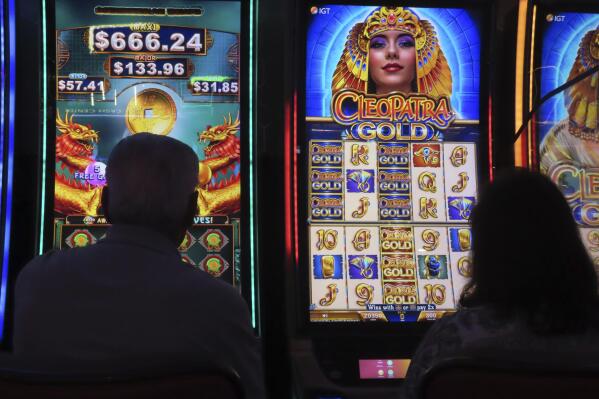
As online gaming grew in popularity, so did the integration of advanced technologies within physical casinos. The incorporation of electronic gaming machines, video poker, and automated betting terminals became commonplace. Cryptocurrencies and blockchain technology also started making their presence felt, providing secure and anonymous transactions for online gaming. These advancements enhanced the gaming experience, offering players more options and convenience than ever before.
Despite the challenges posed by regulations in various jurisdictions, the online gaming industry thrived, leading to the emergence of live dealer games that bridged the gap between online and physical casinos. Players could now experience the thrill of real-time interaction with dealers, combining the convenience of online gaming with the authentic casino atmosphere, signifying yet another evolution in the casino gaming experience.
Future Trends in Casino Gaming
The future of casino games promises to be as dynamic as the evolution we’ve witnessed over the years. With continuous advancements in technology, virtual reality (VR) and augmented reality (AR) are expected to play crucial roles in shaping the next generation of gaming experiences. Imagine stepping into an immersive casino environment from your home and interacting with other players in a virtual space where the rules of gaming are taken to a whole new dimension. This could redefine the concept of social gaming.
Moreover, gamification trends are likely to influence how casino games are designed and marketed. Elements typically found in video games, such as achievements, levels, and rewards, might become integrated into traditional casino games, enhancing player engagement. This approach could attract younger generations who seek entertainment beyond classic gambling paradigms, merging gaming with social experiences.
As the landscape of casino gaming continues to evolve, it is essential for enthusiasts to stay informed about the latest trends and innovations. Platforms dedicated to providing insights, reviews, and news surrounding the gaming industry will remain valuable resources for players navigating this rapidly changing environment. Embracing the future with an understanding of past developments will enrich the gaming experience for everyone involved.
Recent Comments